Cities
Here you can find all the necessary information about cities located near natural and historical sites. You can choose a city where you will be comfortable and interesting to stay.
1. Aksu district-Zhansugurov
2. Alakol district-Usharal
3. Balkhash district-Bakanas
4. Enbekshikazakh district-Esik
5. Eskeldi district — Karabulak
6. Zhambyl district — Uzynagash
7. Ile district Otegen-Batyr
8. Karasay district-Kaskelen
9. Karatal district-Ushtobe
2. Alakol district-Usharal
3. Balkhash district-Bakanas
4. Enbekshikazakh district-Esik
5. Eskeldi district — Karabulak
6. Zhambyl district — Uzynagash
7. Ile district Otegen-Batyr
8. Karasay district-Kaskelen
9. Karatal district-Ushtobe
19. Kapshagay city
20. the city of Tekeli
Cities:
Taldykorgan
Kapshagai
Tekeli
Almaty
20. the city of Tekeli
Cities:
Taldykorgan
Kapshagai
Tekeli
Almaty
10. Kegen district — Kegen
11. Kerbulak district-Saryozek
12. Koksu district-Balpyk-Bi
13. Panfilovsky district-Zharkent
14. Raiymbek district-Narynkol
15. Sarkan district-Sarkan
16. Talgar district-Talgar
17. The Uighur region — Kostanay
18. Taldykorgan city
11. Kerbulak district-Saryozek
12. Koksu district-Balpyk-Bi
13. Panfilovsky district-Zharkent
14. Raiymbek district-Narynkol
15. Sarkan district-Sarkan
16. Talgar district-Talgar
17. The Uighur region — Kostanay
18. Taldykorgan city
The region is divided into 17 districts and 3 cities of regional subordination
Taldykorgan (until May 4, 1993 - Taldy-Kurgan, until 1920 - Gavrilovka), Taldykorgan - city, administrative centre of Almaty region of Kazakhstan.
Geography
Located in the centre of the Seven Rivers on the banks of the Karatal River in the foothills of Jungar Alatau at an altitude of over 602 m above sea level.
The city has a continental climate. The average temperature in January is -11...-13 °С, in July 22...24 °С. The average annual rainfall is 350-400 mm, most of which falls on the periods March-May and November-December. Wind roses are dominated by north-east (34%) and north (16%) winds. Sustained snow cover is formed during the last decade of November and ends in the second decade of March.
History
It appeared in the 19th century as a Russian settlement, in the 2nd half of the 19th century - Gavrilovka, in 1920 it was renamed into Taldy-Kurgan village. Since 1930 it has been the centre of Taldy-Kurgan district of Alma-Ata district of the Kazakh ASSR. In 1944, it received the status of a city. In 1944-1959 and 1967-1991 - the centre of Taldy-Kurgan region of the Kazakh SSR. From 1991 to 1997 - the centre of Taldykorgan region of the Republic of Kazakhstan. On 4 May 1993, the transcription of the name of the city of Taldy-Kurgan in Russian was changed to Taldykorgan by a resolution of the Presidium of the Supreme Soviet of Kazakhstan. Since 2001 it has been the centre of the Almaty region.
Today Taldykorgan is home to around 145,000 people representing 70 peoples and nationalities.
Culture
Since December 1953, the city has had a Palace of Culture, later named after I. Zhansugurov.
The city has the Biken Rimova Drama Theatre, the M. Tynyshpaev Almaty Regional Museum of Local History, the Ilyas Dzhansugurov Literary Museum, the Veterans' Park of Culture, the Central Park, the Zhastar Park, S. Seifullin Library and cinemas. The Zhetysu stadium with 5,000 seats, the Zhastar sports complex, 5 swimming pools and more than 30 sports halls are available for physical training and sports at enterprises and educational institutions.
Physical education and sports
Taldykorgan is one of the sports cities in Kazakhstan. The city has a football club Zhetysu, which plays in the Kazakhstan Football Premier League. Matches are played at the Zhetysu stadium (built in 1982, the size of the playing field is 105×70 m, the capacity of the stands is 5850 seats, plastic seats).
The "Zhetysu" women's volleyball team is equally well known. The "Zhetysu" team was created in 2001. From 2004 to 2007 - silver medalist of the RK, from 2008 to 2011 - champion of the National League of the Republic of Kazakhstan. Champion of the Spartakiad of the Republic of Kazakhstan in 2011. Winner of the Cup of the Republic of Kazakhstan from 2006 to 2011. Repeated silver medallist at prestigious international Asian tournaments "The TV Cup of Vietnam" and "The Princess Cup of Thailand". Silver medal winner of the Asian Championship among club teams in Indonesia in 2010. Bronze medallist of the Asian Championship among club teams in Vietnam in 2011.
The national team of the Republic of Kazakhstan was established on the basis of Zhetysu. In 2011, the title of IMSM was awarded to players O. Drobyshevskaya. V., Storozhenko M. A., Anarbayeva L. V., Arslanova O..
In 2009, the city hosted the Asian Weightlifting Championship, which was attended by 157 athletes from 22 Asian countries.
In 2010, a new sports palace "Zhastar" was opened.
In 2012, the Kazakhstan Weightlifting Championship was held.
Attractions
- Monument to Nursultan Nazarbayev on the main city square at 67 Tauelsyzdyk Street.
- Monument to Kadyrgali Jalairi on the main street of Taldykorgan;
- Monument to Kabanbai Batyr (opened on 23 September 2009);
- Entrance Arch;
- The Literary Museum of the poet Ilyas Dzhansugurov - located at 59 Tauelsyzdyk Street;
- The monument to the poet Ilyas Dzhansugurov is located at the intersection of Balapanov and Zhansugurov Streets;
- Monument to Akin Sarah - on Akin Sarah Street;
- Tomb of Maistruk - Monument to fighters for the establishment of Soviet power - in the Central Park of Culture and Leisure of the city;
- Obelisk of Glory - in the Central Park of Culture and Leisure of the city;
- Ilyas Zhansugurov Palace of Culture - at 67 Tauelsyzdyk Street;
- A bust for the poet Gali Ormanov - at the intersection of G. Ormanov Street and Tauelsyzdyk Street;
- "Ush ata" - a monument dedicated to Eskelda bi, Balpik bi, Kablisa zhyrau; used for scientific and other additional purposes. The monumental monument is the property of the state;
- The Tynyshpaev Museum of Regional History is a state institution, located at 245 Abaya Street;
- Seifullin Universal Library - at Tauelsyzdyk Street 91/99, state;
- The monument to Zhetysuys, who died in the war in Afghanistan, is located in the central park of culture and leisure, a state institution;
- Obelisk in honour of fallen land soldiers - located in Otenai village, used for scientific and other purposes, state.
Geography
Located in the centre of the Seven Rivers on the banks of the Karatal River in the foothills of Jungar Alatau at an altitude of over 602 m above sea level.
The city has a continental climate. The average temperature in January is -11...-13 °С, in July 22...24 °С. The average annual rainfall is 350-400 mm, most of which falls on the periods March-May and November-December. Wind roses are dominated by north-east (34%) and north (16%) winds. Sustained snow cover is formed during the last decade of November and ends in the second decade of March.
History
It appeared in the 19th century as a Russian settlement, in the 2nd half of the 19th century - Gavrilovka, in 1920 it was renamed into Taldy-Kurgan village. Since 1930 it has been the centre of Taldy-Kurgan district of Alma-Ata district of the Kazakh ASSR. In 1944, it received the status of a city. In 1944-1959 and 1967-1991 - the centre of Taldy-Kurgan region of the Kazakh SSR. From 1991 to 1997 - the centre of Taldykorgan region of the Republic of Kazakhstan. On 4 May 1993, the transcription of the name of the city of Taldy-Kurgan in Russian was changed to Taldykorgan by a resolution of the Presidium of the Supreme Soviet of Kazakhstan. Since 2001 it has been the centre of the Almaty region.
Today Taldykorgan is home to around 145,000 people representing 70 peoples and nationalities.
Culture
Since December 1953, the city has had a Palace of Culture, later named after I. Zhansugurov.
The city has the Biken Rimova Drama Theatre, the M. Tynyshpaev Almaty Regional Museum of Local History, the Ilyas Dzhansugurov Literary Museum, the Veterans' Park of Culture, the Central Park, the Zhastar Park, S. Seifullin Library and cinemas. The Zhetysu stadium with 5,000 seats, the Zhastar sports complex, 5 swimming pools and more than 30 sports halls are available for physical training and sports at enterprises and educational institutions.
Physical education and sports
Taldykorgan is one of the sports cities in Kazakhstan. The city has a football club Zhetysu, which plays in the Kazakhstan Football Premier League. Matches are played at the Zhetysu stadium (built in 1982, the size of the playing field is 105×70 m, the capacity of the stands is 5850 seats, plastic seats).
The "Zhetysu" women's volleyball team is equally well known. The "Zhetysu" team was created in 2001. From 2004 to 2007 - silver medalist of the RK, from 2008 to 2011 - champion of the National League of the Republic of Kazakhstan. Champion of the Spartakiad of the Republic of Kazakhstan in 2011. Winner of the Cup of the Republic of Kazakhstan from 2006 to 2011. Repeated silver medallist at prestigious international Asian tournaments "The TV Cup of Vietnam" and "The Princess Cup of Thailand". Silver medal winner of the Asian Championship among club teams in Indonesia in 2010. Bronze medallist of the Asian Championship among club teams in Vietnam in 2011.
The national team of the Republic of Kazakhstan was established on the basis of Zhetysu. In 2011, the title of IMSM was awarded to players O. Drobyshevskaya. V., Storozhenko M. A., Anarbayeva L. V., Arslanova O..
In 2009, the city hosted the Asian Weightlifting Championship, which was attended by 157 athletes from 22 Asian countries.
In 2010, a new sports palace "Zhastar" was opened.
In 2012, the Kazakhstan Weightlifting Championship was held.
Attractions
- Monument to Nursultan Nazarbayev on the main city square at 67 Tauelsyzdyk Street.
- Monument to Kadyrgali Jalairi on the main street of Taldykorgan;
- Monument to Kabanbai Batyr (opened on 23 September 2009);
- Entrance Arch;
- The Literary Museum of the poet Ilyas Dzhansugurov - located at 59 Tauelsyzdyk Street;
- The monument to the poet Ilyas Dzhansugurov is located at the intersection of Balapanov and Zhansugurov Streets;
- Monument to Akin Sarah - on Akin Sarah Street;
- Tomb of Maistruk - Monument to fighters for the establishment of Soviet power - in the Central Park of Culture and Leisure of the city;
- Obelisk of Glory - in the Central Park of Culture and Leisure of the city;
- Ilyas Zhansugurov Palace of Culture - at 67 Tauelsyzdyk Street;
- A bust for the poet Gali Ormanov - at the intersection of G. Ormanov Street and Tauelsyzdyk Street;
- "Ush ata" - a monument dedicated to Eskelda bi, Balpik bi, Kablisa zhyrau; used for scientific and other additional purposes. The monumental monument is the property of the state;
- The Tynyshpaev Museum of Regional History is a state institution, located at 245 Abaya Street;
- Seifullin Universal Library - at Tauelsyzdyk Street 91/99, state;
- The monument to Zhetysuys, who died in the war in Afghanistan, is located in the central park of culture and leisure, a state institution;
- Obelisk in honour of fallen land soldiers - located in Otenai village, used for scientific and other purposes, state.
Taldykorgan
The city of Kapchagai (Kapchagai) is considered one of the most tourist destinations in Kazakhstan. People come here to relax on the shore of the reservoir, go fishing and admire nature.
Kapchagai is a city of regional subordination in Almaty region of Kazakhstan. The city has the largest gambling zone in the republic.
Etymology of the name
In Kazakh, "Kapshagai" means "narrow gorge" or "compressed earth".
History
The history of the city's development and appearance is connected with the beginning of construction of the Kapchagai HPP. The Iliysk village was originally located at the site of the reservoir construction, and more than 5,000 people were moved to the new village of Novoilisk, the village of Zhetygen and the newly formed fishing collective farm, now the village of Arna. On 29 September 1969, at 4.15 local time, the Ili River was closed off. On 26 December of the same year, the first stage of filling the reservoir began. In the spring of 1970, the village of Iliisk went to the bottom of an artificial reservoir. On July 9, 1970 by the Decree of the Presidium of the Supreme Soviet of the Kazakh SSR the settlement of Novoilisk of Ili district of Almaty region was referred to the category of cities of regional subordination, and it was given the name of Kapchagai city.
For years of the Soviet power in Kapchagay the powerful industrial infrastructure was created and constructed, factories have entered into operation: porcelain, ferro-concrete designs, high-precision devices; the elevator, bakery, oil factories, a fish-processing complex. With the collapse of the USSR, state factories and enterprises were sold by the state under the privatisation programme to private hands and subsequently ceased to exist.
In 1998, the villages of Zarechnoye and Shengeldy, together with their respective rural districts, became subordinate to the city administration (Akimat).
Since the mid-2000s, the coastal banks of the Kapchagai reservoir, which is a water protection zone, began to be actively sold out and built up for private mini-hotels and cafes, there are practically no free public beaches left for recreation. Due to the development of the coastal water protection zone, the reservoir's water is polluted with sewage waste.
In 2007, the Law "On Gambling Business" was adopted, under which casinos and gaming halls are to be placed in Almaty Region on the coast of the Kapshagai reservoir and in Shchuchinsky District of Akmola Region.
Interesting facts
At the end of the first half of the 1980s, construction began on a large Robot plant, which was to produce high-precision equipment. However, due to the policy of the new republican authorities, whose slogan was saving money, the construction of the nearly completed plant was suspended due to the cessation of financing.
City Day is celebrated on 10 September.
The main attraction of Kapchagai is nature.The modern city is a recreation area. Tourists live on the bank of the Kapchay reservoir for almost a year. In summer they come here because of the sandy beaches and clean turquoise water, and in winter they come here to fish and breathe the frosty air. There are many hotels and guest houses on the shore of the reservoir, as well as cafes and places for recreation and entertainment with children. If you are tired of splashing in the reservoir and your soul needs an extreme, go to the water park. Here you can ride slides, swim in swimming pools and admire artificial waterfalls.
Entertainment in Kapchagai
Kapchagai is not only a good place to relax, but also a place to have fun, as the city has a large play area where everyone can try their luck. Kapchagai, which casinos are well developed, is a great alternative for those who can't go to Las Vegas. Those who are indifferent to fishing and games can go climbing.
Kapchagai is a city of regional subordination in Almaty region of Kazakhstan. The city has the largest gambling zone in the republic.
Etymology of the name
In Kazakh, "Kapshagai" means "narrow gorge" or "compressed earth".
History
The history of the city's development and appearance is connected with the beginning of construction of the Kapchagai HPP. The Iliysk village was originally located at the site of the reservoir construction, and more than 5,000 people were moved to the new village of Novoilisk, the village of Zhetygen and the newly formed fishing collective farm, now the village of Arna. On 29 September 1969, at 4.15 local time, the Ili River was closed off. On 26 December of the same year, the first stage of filling the reservoir began. In the spring of 1970, the village of Iliisk went to the bottom of an artificial reservoir. On July 9, 1970 by the Decree of the Presidium of the Supreme Soviet of the Kazakh SSR the settlement of Novoilisk of Ili district of Almaty region was referred to the category of cities of regional subordination, and it was given the name of Kapchagai city.
For years of the Soviet power in Kapchagay the powerful industrial infrastructure was created and constructed, factories have entered into operation: porcelain, ferro-concrete designs, high-precision devices; the elevator, bakery, oil factories, a fish-processing complex. With the collapse of the USSR, state factories and enterprises were sold by the state under the privatisation programme to private hands and subsequently ceased to exist.
In 1998, the villages of Zarechnoye and Shengeldy, together with their respective rural districts, became subordinate to the city administration (Akimat).
Since the mid-2000s, the coastal banks of the Kapchagai reservoir, which is a water protection zone, began to be actively sold out and built up for private mini-hotels and cafes, there are practically no free public beaches left for recreation. Due to the development of the coastal water protection zone, the reservoir's water is polluted with sewage waste.
In 2007, the Law "On Gambling Business" was adopted, under which casinos and gaming halls are to be placed in Almaty Region on the coast of the Kapshagai reservoir and in Shchuchinsky District of Akmola Region.
Interesting facts
At the end of the first half of the 1980s, construction began on a large Robot plant, which was to produce high-precision equipment. However, due to the policy of the new republican authorities, whose slogan was saving money, the construction of the nearly completed plant was suspended due to the cessation of financing.
City Day is celebrated on 10 September.
The main attraction of Kapchagai is nature.The modern city is a recreation area. Tourists live on the bank of the Kapchay reservoir for almost a year. In summer they come here because of the sandy beaches and clean turquoise water, and in winter they come here to fish and breathe the frosty air. There are many hotels and guest houses on the shore of the reservoir, as well as cafes and places for recreation and entertainment with children. If you are tired of splashing in the reservoir and your soul needs an extreme, go to the water park. Here you can ride slides, swim in swimming pools and admire artificial waterfalls.
Entertainment in Kapchagai
Kapchagai is not only a good place to relax, but also a place to have fun, as the city has a large play area where everyone can try their luck. Kapchagai, which casinos are well developed, is a great alternative for those who can't go to Las Vegas. Those who are indifferent to fishing and games can go climbing.
KAPCHAGAI
Tekeli is a city in Almaty region of Kazakhstan, located 310 km from Almaty and 40 km from Taldykorgan.
History
In 1933, a geological exploration expedition led by M.M. Yudichev discovered large deposits of polymetallic ores, especially lead, in the area of Tekeli in the Korin gorge, after which the Soviet authorities decided to mine and process the ores. Already in 1942, at the foot of the Dzungarian mountains, a lead and zinc plant and a working settlement were built. During the Great Patriotic War, this deposit gave the country lead for every eighth bullet. Later on, in the post-war period, the village of Tekeli began to grow in size, the construction of residential buildings was declared a strike site, and a flow of volunteers arrived from all over the Soviet Union. Tekeli's homes and industrial facilities were built not only by guest builders, but also by Japanese prisoners of war. In 1952, the village was granted the status of a city. Tekeli grew and developed at a rapid pace. Residential blocks were built here, kindergartens, schools, parks and cinemas were built.
Geography
The city's name comes from the species of animals that once lived in abundance in the gorges of these rivers: Teke, a mountain goat, and the fir tree, a small antelope. The hunting scenes of Uysun tribes are depicted on rock paintings in the city's surroundings. The town of Tekeli is located in the upper reaches of the Karatal River in the foothills of the Dzungarian Alatau, at the confluence of the rivers Kory (Kara, Karinka), Chazhi (Chizhi, Chizhinka) and Tekelinka. The end station of the railway line from Koksu station on the Semey - Almaty line. There was also the only electrified narrow gauge railway in Kazakhstan. It was dismantled in the early 2000s.
City attractions
There are several sights in the city of Tekeli, namely:
- Dinmukhamed Kunaev Street, about 38 km long. It is officially recognised as the longest street in Kazakhstan.
- Tekeli Stela" and "Kelinshektas" are the oldest Buddhist monument in Kazakhstan.
- Burhan Bulak" is the largest waterfall in Kazakhstan, located in the upper gorge of the Kora River, above the city of Tekeli.
- The monument, the Stela of the Great Patriotic War (1941-1945), is located in the city centre at the confluence of three rivers.
And much more...
History
In 1933, a geological exploration expedition led by M.M. Yudichev discovered large deposits of polymetallic ores, especially lead, in the area of Tekeli in the Korin gorge, after which the Soviet authorities decided to mine and process the ores. Already in 1942, at the foot of the Dzungarian mountains, a lead and zinc plant and a working settlement were built. During the Great Patriotic War, this deposit gave the country lead for every eighth bullet. Later on, in the post-war period, the village of Tekeli began to grow in size, the construction of residential buildings was declared a strike site, and a flow of volunteers arrived from all over the Soviet Union. Tekeli's homes and industrial facilities were built not only by guest builders, but also by Japanese prisoners of war. In 1952, the village was granted the status of a city. Tekeli grew and developed at a rapid pace. Residential blocks were built here, kindergartens, schools, parks and cinemas were built.
Geography
The city's name comes from the species of animals that once lived in abundance in the gorges of these rivers: Teke, a mountain goat, and the fir tree, a small antelope. The hunting scenes of Uysun tribes are depicted on rock paintings in the city's surroundings. The town of Tekeli is located in the upper reaches of the Karatal River in the foothills of the Dzungarian Alatau, at the confluence of the rivers Kory (Kara, Karinka), Chazhi (Chizhi, Chizhinka) and Tekelinka. The end station of the railway line from Koksu station on the Semey - Almaty line. There was also the only electrified narrow gauge railway in Kazakhstan. It was dismantled in the early 2000s.
City attractions
There are several sights in the city of Tekeli, namely:
- Dinmukhamed Kunaev Street, about 38 km long. It is officially recognised as the longest street in Kazakhstan.
- Tekeli Stela" and "Kelinshektas" are the oldest Buddhist monument in Kazakhstan.
- Burhan Bulak" is the largest waterfall in Kazakhstan, located in the upper gorge of the Kora River, above the city of Tekeli.
- The monument, the Stela of the Great Patriotic War (1941-1945), is located in the city centre at the confluence of three rivers.
And much more...
TEKELI
Almaty (until 1921 - Verny) - is a city of national importance and the largest settlement of the Republic of Kazakhstan, the former capital of Kazakhstan (until 1997), the Kazakh SSR (as part of the USSR), the Kazakh ASSR (as part of the RSFSR).
As of the beginning of 2020, the city's population was 1,916,822.
Status
Main article: Capital of the Republic of Kazakhstan
From 1927 to 1936, Alma-Ata was the second capital of the Kazakh ASSR; from 1936 to 1991 it was the capital of the Kazakh ASSR; from 1991 to 1997 it was the first capital of the Republic of Kazakhstan. Alma-Ata was the largest city of the Kazakh SSR, then became the largest city of the Republic of Kazakhstan. Despite the loss of its status as a political and administrative capital, it is the cultural, financial and economic centre of the Republic and remained the only city with a population of one million until 2017; Astana was the second such city. The city is located at the foot of the Zailiysky Alatau mountains in the extreme south-east of the republic and has a peculiar, rather mild climate regime with a difficult environmental situation.
In 1997 the capital was moved to Akmola (from May 6, 1998 - Astana, now Nur-Sultan), but Alma-Ata is assigned the status of "Southern Capital of Kazakhstan". Since then, this term has been very often used in the press to refer to Alma-Ata.
In 2006, according to a study of quality of life conducted by the consulting company Mercer, Almaty was ranked 183rd, up one position from 2005. A total of 215 cities were surveyed.
Title
The Russian and Kazakh names of the city are Almaty; Russia still uses the name Almaty-Ata (but both names are used in the media).
Culture and art
Almaty is rightfully considered the cultural centre of the Republic. There are 270 cultural organisations in Alma-Ata. Among them there are 10 theatres, 7 concert halls, a philharmonic society, 11 orchestras and 13 ensembles. There are 32 museums, 20 art galleries, 39 libraries, 2 Children's Creativity Houses in Almaty. There are 115 monuments of history, architecture and monumental art. There are 18 cinemas, a circus, 920 sports facilities, many night clubs, restaurants and other entertainment facilities. There is a large film studio "Kazakhfilm" in Alma-Ata, as well as other small private film production studios.
Theatres .
There are 10 state theatres in Alma-Ata that work for children, youth and adults. There are a total of 20 professional theatres in the city for 2018.
Abai Opera and Ballet Theatre
The Kazakh State Academic Theatre of Opera and Ballet named after Abai has been delighting spectators with theatrical and opera productions, musical performances and performances of ballet companies for over half a century. The core of the theatre's creative team consists of both famous masters and new names - laureates of various popular and international competitions, who have already achieved a certain success. Many countries in Europe, Asia and America applaud the stage of the Kazakh Opera and Ballet Theatre.
As of the beginning of 2020, the city's population was 1,916,822.
Status
Main article: Capital of the Republic of Kazakhstan
From 1927 to 1936, Alma-Ata was the second capital of the Kazakh ASSR; from 1936 to 1991 it was the capital of the Kazakh ASSR; from 1991 to 1997 it was the first capital of the Republic of Kazakhstan. Alma-Ata was the largest city of the Kazakh SSR, then became the largest city of the Republic of Kazakhstan. Despite the loss of its status as a political and administrative capital, it is the cultural, financial and economic centre of the Republic and remained the only city with a population of one million until 2017; Astana was the second such city. The city is located at the foot of the Zailiysky Alatau mountains in the extreme south-east of the republic and has a peculiar, rather mild climate regime with a difficult environmental situation.
In 1997 the capital was moved to Akmola (from May 6, 1998 - Astana, now Nur-Sultan), but Alma-Ata is assigned the status of "Southern Capital of Kazakhstan". Since then, this term has been very often used in the press to refer to Alma-Ata.
In 2006, according to a study of quality of life conducted by the consulting company Mercer, Almaty was ranked 183rd, up one position from 2005. A total of 215 cities were surveyed.
Title
The Russian and Kazakh names of the city are Almaty; Russia still uses the name Almaty-Ata (but both names are used in the media).
Culture and art
Almaty is rightfully considered the cultural centre of the Republic. There are 270 cultural organisations in Alma-Ata. Among them there are 10 theatres, 7 concert halls, a philharmonic society, 11 orchestras and 13 ensembles. There are 32 museums, 20 art galleries, 39 libraries, 2 Children's Creativity Houses in Almaty. There are 115 monuments of history, architecture and monumental art. There are 18 cinemas, a circus, 920 sports facilities, many night clubs, restaurants and other entertainment facilities. There is a large film studio "Kazakhfilm" in Alma-Ata, as well as other small private film production studios.
Theatres .
There are 10 state theatres in Alma-Ata that work for children, youth and adults. There are a total of 20 professional theatres in the city for 2018.
Abai Opera and Ballet Theatre
The Kazakh State Academic Theatre of Opera and Ballet named after Abai has been delighting spectators with theatrical and opera productions, musical performances and performances of ballet companies for over half a century. The core of the theatre's creative team consists of both famous masters and new names - laureates of various popular and international competitions, who have already achieved a certain success. Many countries in Europe, Asia and America applaud the stage of the Kazakh Opera and Ballet Theatre.
Almaty
Auezov Theatre
The Auezov Kazakh Drama Theatre has occupied a modern building No 103 on Abay Avenue in Almaty since 1981. Built especially for this institution, it is included in the list of state architectural monuments a year after its completion.
The Auezov Kazakh Drama Theatre has occupied a modern building No 103 on Abay Avenue in Almaty since 1981. Built especially for this institution, it is included in the list of state architectural monuments a year after its completion.

Almaty Dolls Theatre
The Puppet Theatre in Almaty was founded in 1935. Three years later it received the status of a Republican theatre. It is the first puppet theatre in Kazakhstan. Since its inception, productions have been conducted in two languages: Kazakh and Russian, a tradition that has been preserved to this day.
The Puppet Theatre in Almaty was founded in 1935. Three years later it received the status of a Republican theatre. It is the first puppet theatre in Kazakhstan. Since its inception, productions have been conducted in two languages: Kazakh and Russian, a tradition that has been preserved to this day.

Lermontov Russian Drama Theatre
The Lermontov Theatre is an important centre of Russian national culture in Alma-Ata. Its performances are in Russian, but the audience includes not only Russians from the southern capital, but also representatives of other nations living in Kazakhstan.
The Lermontov Theatre is an important centre of Russian national culture in Alma-Ata. Its performances are in Russian, but the audience includes not only Russians from the southern capital, but also representatives of other nations living in Kazakhstan.

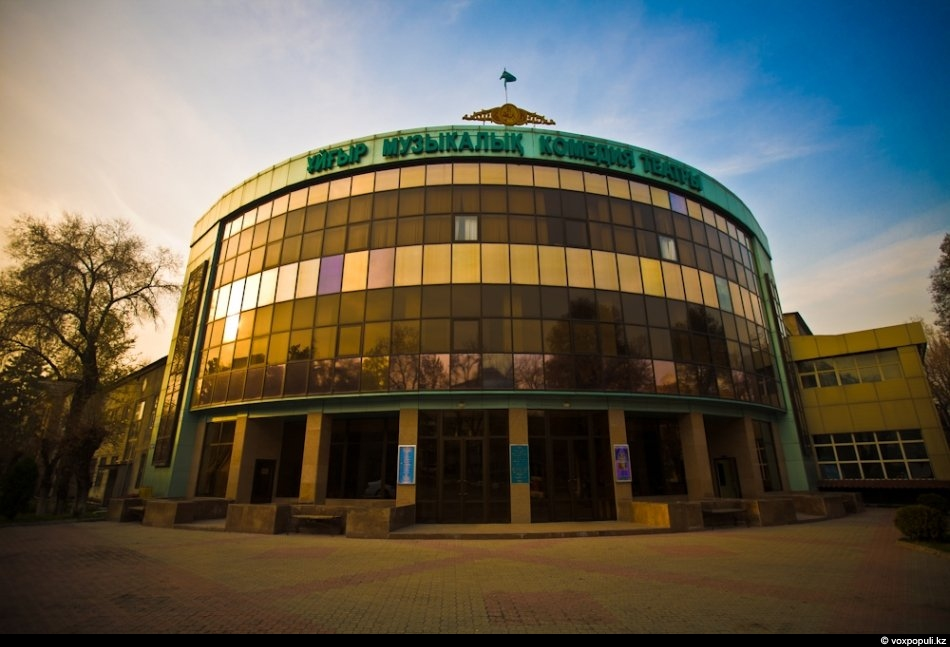
Uyghur theatre of musical comedy
The Kuddus Kuzhamyarov Academic Uygur Theatre of Musical Comedy is located in Almaty, the largest city of Kazakhstan. It is the only professional theatre of the Uigur people in the whole world.
There are also many durgai theatres in the city
The Kuddus Kuzhamyarov Academic Uygur Theatre of Musical Comedy is located in Almaty, the largest city of Kazakhstan. It is the only professional theatre of the Uigur people in the whole world.
There are also many durgai theatres in the city
Museums

Museum of Almaty
The new museum of the city is housed in the building of the former Vernensky Children's Shelter, which was once planned by the famous architect Pavel Gurde, who played a significant role in the history of the city.
The museum has over 40 thousand exhibits, which in turn are divided into 11 eras: "Ancient History of Almaty", "Medieval History of Almaty", "At the Origins of Kazakh Statehood", "Ethnography of Zhetysu", "Vernensky Period of the History of Almaty", "Almaty in the XX Century", "Development of Culture and Art", "History of Mountaineering", "Zheltoksan", "Almaty and the Leader of the Nation", "Model of Peace and Harmony".
Address: 132 Kabanbai Batyra St.
Tel.: +7 727 272 43 21, +7 727 267 59 05
Opening hours: from 10:00 to 19:00, Monday - day off
Entrance: school - 200 tenge, students - 300 tenge, adult - 500 tenge
The museum has over 40 thousand exhibits, which in turn are divided into 11 eras: "Ancient History of Almaty", "Medieval History of Almaty", "At the Origins of Kazakh Statehood", "Ethnography of Zhetysu", "Vernensky Period of the History of Almaty", "Almaty in the XX Century", "Development of Culture and Art", "History of Mountaineering", "Zheltoksan", "Almaty and the Leader of the Nation", "Model of Peace and Harmony".
Address: 132 Kabanbai Batyra St.
Tel.: +7 727 272 43 21, +7 727 267 59 05
Opening hours: from 10:00 to 19:00, Monday - day off
Entrance: school - 200 tenge, students - 300 tenge, adult - 500 tenge
Central State Museum of the Republic of Kazakhstan

The Central State Museum of the Republic of Kazakhstan is one of the largest museums in Central Asia. The three floors of the museum include both exhibition galleries and 4 exhibition halls. Each visitor will definitely find a hall or a monument to their liking.
The museum has a hall for paleontology and archaeology, history of Kazakhstan from the 15th to the beginning of the 20th century, history and ethnography of the peoples living in Kazakhstan. The fourth hall reflects the history of independent modern Kazakhstan. The general collection of the museum totals about 300 thousand units of monuments.
Address: 44 Samal-1, mkr.
Tel.: +7 727 264 55 77
Opening hours: from 9:30 to 18:00, Tuesday - day off
Entrance: preschool age children, participants of the Great Patriotic War - free of charge; schoolchildren - 100 tenge; students - 200 tenge; pensioners - 150 tenge; adults - 300 tenge; foreign citizens - 500 tenge, excursion - 1000 tenge.
The museum has a hall for paleontology and archaeology, history of Kazakhstan from the 15th to the beginning of the 20th century, history and ethnography of the peoples living in Kazakhstan. The fourth hall reflects the history of independent modern Kazakhstan. The general collection of the museum totals about 300 thousand units of monuments.
Address: 44 Samal-1, mkr.
Tel.: +7 727 264 55 77
Opening hours: from 9:30 to 18:00, Tuesday - day off
Entrance: preschool age children, participants of the Great Patriotic War - free of charge; schoolchildren - 100 tenge; students - 200 tenge; pensioners - 150 tenge; adults - 300 tenge; foreign citizens - 500 tenge, excursion - 1000 tenge.
Kasteev State Museum of Art

The Kasteev State Museum of Arts is the largest museum of art in Kazakhstan, which is home to more than 22,500 works. The museum has collected works by talented artists from Kazakhstan, Russia, Europe, America and Eastern countries. Besides paintings, the museum presents sculptures and objects of applied art.
Address: mcr. Koktem 3, 22/1
Tel.: +7 727 394 57 15
Working hours: from 10:00 to 18:00 daily, except Monday and the last day of the month.
Entrance: Adults - 500 tenge; schoolchildren and students of art educational institutions - 200 tenge; pensioners, students - 300 tenge
Address: mcr. Koktem 3, 22/1
Tel.: +7 727 394 57 15
Working hours: from 10:00 to 18:00 daily, except Monday and the last day of the month.
Entrance: Adults - 500 tenge; schoolchildren and students of art educational institutions - 200 tenge; pensioners, students - 300 tenge
Museum of Geology of the Republic of Kazakhstan
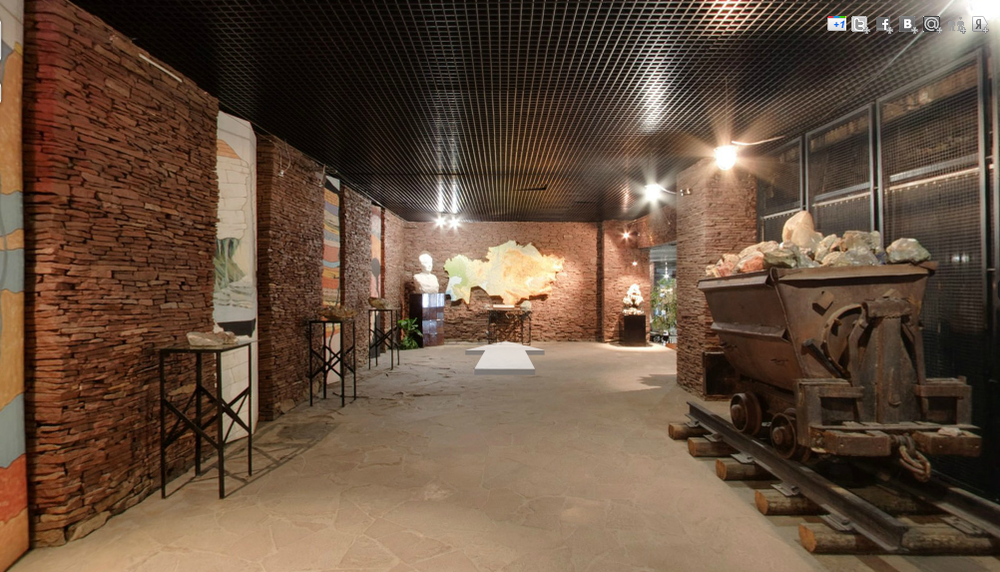
Kazakhstan's mineral wealth can be studied in the Geology Museum of Kazakhstan, which presents the best examples of ores and minerals that have been collected from all over Kazakhstan. This museum will be remembered not only for its original lift, but also for the hall, which is decorated in such a way that it gives the impression of being underground. This hall imitates horizontal mining using stone walls, a trolley, and even the sounds of machines and mechanisms working.
Address: 85 Dostyk Ave.
Tel.: +7 727 261 52 83
Opening hours: 10:00 to 17:00, weekends: Saturday and Sunday
Entrance: for students -100 tenge, for adults - 200 tenge, individual excursions - 1000 tenge, group excursions - 500 tenge.
Address: 85 Dostyk Ave.
Tel.: +7 727 261 52 83
Opening hours: 10:00 to 17:00, weekends: Saturday and Sunday
Entrance: for students -100 tenge, for adults - 200 tenge, individual excursions - 1000 tenge, group excursions - 500 tenge.
Museum of musical instruments

A wooden building located in the eastern part of the 28th Panfilov Guards Park is a museum of musical instruments. Initially the building was used for gala meetings and receptions, but then a museum was opened here in 1980.
The museum's collection contains instruments that belonged to famous singers and composers.
Address: 24a Zenkova St.
Tel.: +7 727 291 63 37
Opening hours: from 10:00 to 17:00, Monday - day off
Entrance: 500 tenge - total, 200 tenge - preferential (children, students, pensioners); excursion (kaz,rus,engl. language of choice) - 1000 tenge per group (up to 20 people)
The museum's collection contains instruments that belonged to famous singers and composers.
Address: 24a Zenkova St.
Tel.: +7 727 291 63 37
Opening hours: from 10:00 to 17:00, Monday - day off
Entrance: 500 tenge - total, 200 tenge - preferential (children, students, pensioners); excursion (kaz,rus,engl. language of choice) - 1000 tenge per group (up to 20 people)
Scientific and Cultural Centre M.Auezov House Museum

The Auezov House Research and Cultural Centre is a major research centre in Kazakhstan. It was first opened in 1962. The museum has a library, a traveling exhibition hall and a restoration workshop. At present, the museum's holdings contain about 72,600 items.
Address: 185 Tulebaeva St.
Tel.: +7 727 261 22 27
Opening hours: from 10:00 to 19:00, weekends: Sunday, Monday
Entrance: for adults - 200 tenge, for students - 100 tenge
Address: 185 Tulebaeva St.
Tel.: +7 727 261 22 27
Opening hours: from 10:00 to 19:00, weekends: Sunday, Monday
Entrance: for adults - 200 tenge, for students - 100 tenge
Umay Museum of Arts named after J. Shardenov

The museum bears the name of Zhanatai Shardenov, a great artist of contemporary Kazakh art. Zhanatai Shardenov, a contemporary artist, painted magnificent landscapes and portraits. In the museum you will find works that reflect social realism, as well as paintings that tell us stories of factory and rural landscapes. In total, the museum has more than 2000 paintings on this theme.
Address: 108 Nauryzbai Batyr Street
Phone: +7 727 272 49 21
Opening hours: from 10:00 to 18:00, Sunday is a day off
Entrance: free
Address: 108 Nauryzbai Batyr Street
Phone: +7 727 272 49 21
Opening hours: from 10:00 to 18:00, Sunday is a day off
Entrance: free

Literary and Memorial Museum Complex S.. Mukanova and G. Musrepova
The exposition of the museum complex, located in 11 halls, is built on reliable materials on the thematic and chronological principle and recreates the history of our state through the personality of writers, reveals the creative laboratory of such masters of the pen as Sabit Mukanov and Gabit Musropov. The museum complex has a literary and memorial exposition. Literary exposition of the museum complex S. Mukanov and Gabit Musrepov. Mukanova and Musrepova is housed in five halls and presents the history of the formation of Kazakh literature.
Address: 125 Tulebayev St.
Tel.: +7 727 272 59 12
Opening hours: from 10:00 to 19:00, weekends: Sunday, Monday
Entrance: schoolchildren - 150 tenge, students - 300 tenge, adults - 400 tenge
Address: 125 Tulebayev St.
Tel.: +7 727 272 59 12
Opening hours: from 10:00 to 19:00, weekends: Sunday, Monday
Entrance: schoolchildren - 150 tenge, students - 300 tenge, adults - 400 tenge
House-Museum D. A. Kunaev
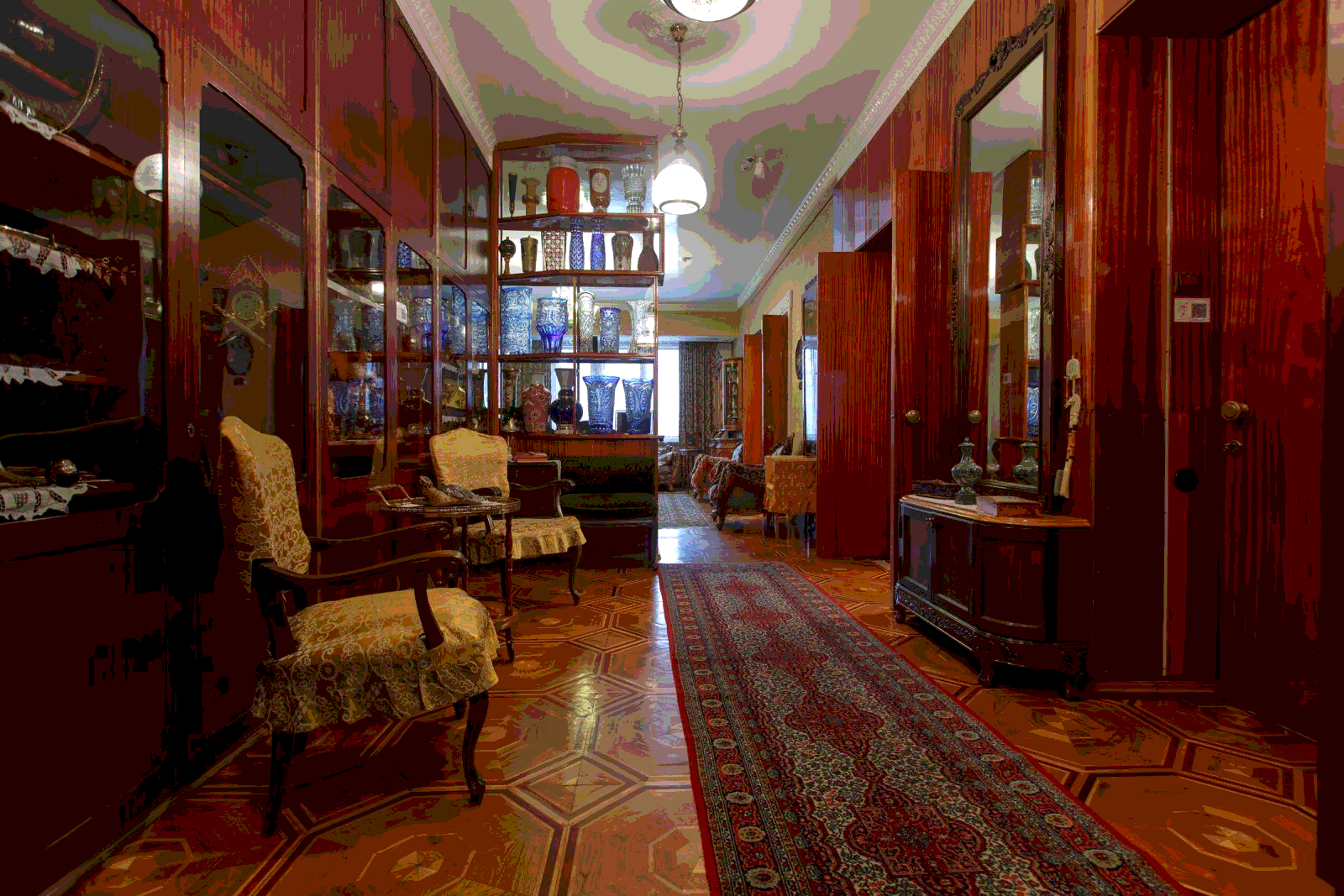
The museum is unique in the authenticity of its exhibits. These are personal belongings of Dimash Akhmedovich, a library of technical, reference and fiction literature, art albums, books with inscriptions from the authors, furniture, household items, numerous gifts for anniversaries, and exhibits characterising his hobbies.
Address: 117 Tulebaeva St.
Phone: +7 727 261 42 69
Opening hours: from 10:00 to 17:00, weekends: Saturday and Sunday
Entrance: adult - 500 tenge (sightseeing service - 500 tenge); student - 150 tenge; school - 100 tenge, pensioners - 100 tenge.
Many other museums of the city
Address: 117 Tulebaeva St.
Phone: +7 727 261 42 69
Opening hours: from 10:00 to 17:00, weekends: Saturday and Sunday
Entrance: adult - 500 tenge (sightseeing service - 500 tenge); student - 150 tenge; school - 100 tenge, pensioners - 100 tenge.
Many other museums of the city
Cinemas
The first film screening in the town of Verne took place in 1900, when the physicist K.O. Krause arrived in the town. It showed hand-painted glass diapositives using a projector. The film show took place on 25 January in the Pushkin Garden. In January 1911, the building of the first private cinema "The Twentieth Century" at the intersection of Pushkinskaya Street and Gogolevskaya Street, owned by businessman A.R. Seifullin, was opened. The cinema was equipped with the first power station in the history of the city manufactured by the British company "Petter" with 14 horse powers to demonstrate films. The building of the cinema burned down in February 1918.
Beginning in the 1930s, summer cinemas began to appear in the city's park areas, which were later transformed into full-fledged cinemas. For example, the Rodina Cinema was first opened in Gorky Park of Culture and Leisure in 1937. In 1957, it was rebuilt from a seasonal site into a wide-screen cinema with a 712-seat auditorium. Another park in the city, the Federation of Soviet Republics, opened the "Progress" cinema, later renamed "Alma-Ata".
By the early 1990s, there were 21 cinemas in the city. All cinemas were divided into first, second and third screens. Cinemas of the first screen, which hosted the premieres of new films, included "Alatau", "Tselinny" and "Arman". Cinemas of the third screen were already in a deplorable condition, with glues and cuts. In other words, the quality of the film depended on the screen quality of the cinema. Cinemas in the city were single-screen, with two halls in the "Kazakhstan", "Arman" and "Tselinny" cinemas.
In the 2000s, cinema halls began to open in shopping and entertainment centres, and the existing fixed cinemas began to lose popularity and closed.
Galleries
- Tengri Umai
- Oyu
- Ular
- Umai
- Soros Centre for Contemporary Art
Libraries
- National Library of the Republic of Kazakhstan (former Pushkinskaya)
Main sights of Almaty
One of the symbols of Almaty is Mount Kok Tobe. In March 2016, a new gondola track, park and Ferris wheel were opened, and the famous TV Tower received modern architectural lighting. A ride in the stall of the cable car is an obligatory part of the tourist program. Is it worth saying that there are stunning views of the city from above? The cable car connects Kok Tobe peak with the centre of Almaty (landing at the station behind the Arman cinema).
The history of Kazakhstan and Almaty is symbolised by the Monument of Independence, which rises on the central square. The hero of the national epic, the Golden Man, drives a winged leopard, which proclaims the firm will and firmness of the authorities.
One of the most interesting places of worship is the Holy Ascension Cathedral (formerly Turkestan Cathedral) in the park of 28 Panfilov Guards, an architectural monument of national importance. It looks intricate and very unusual for an Orthodox cathedral - with colourful domes. The cathedral was consecrated in 1907.
He is paired with the Central Mosque of Almaty, built in 1996-1999. The dome is 36 metres high and 20 metres in diameter. Inside it can accommodate 7,000 believers at a time.
The mosque and the cathedral are located close to each other, and within a few minutes' walk there is a central park with an aqua park and a zoo, which you can go to if you are travelling with little travelers.
The Central State Museum of Kazakhstan, one of the largest and most important museums in Central Asia, deserves special attention. The exhibition is presented on three floors, and the collection has over 200,000 exhibits.
Almaty sights in winter
The main sports facility is the Medeu Winter Sports Complex, located in a mountain tract of the same name. Since 1951, more than 120 world records have been set here. On normal, competition-free days, Almaty residents and guests of the city enjoy skating (from 1 October to 1 April).
There are several ski resorts in Almaty, where skiers, snowboarders, fans of ski freestyle and other winter entertainment flock to the beginning of the season.
The Chimbulak ski resort is located 32 km from the city. There are slopes for both beginners and experienced skiers, as well as downhill courses. In summer there is a children's camp, a rope park and a tour desk (hiking in the mountains).
The Tabagan ski resort was opened in 2005 (17 km from the city). Strictly speaking, it is not a specialised ski resort, but an all-season sports and fitness complex. In summer, for example, horses, mountain bikes, volleyball and tennis are played here; there are massage rooms and saunas.
The Ak Bulak ski resort (18 km) is also open all year long. The total length of the slopes exceeds 5 kilometres. There are skis, snowboards, snowmobiles and cylinders.
Skating rinks and ski resorts are all for fans of active winter holidays. Tourists who prefer to contemplate and find out when they arrive in winter do not lose anything: museums work at the same pace, and cathedrals are open to the public. You can spend one evening in the theatre hall or in a circus.
There are also many other beautiful and interesting places in the city
The first film screening in the town of Verne took place in 1900, when the physicist K.O. Krause arrived in the town. It showed hand-painted glass diapositives using a projector. The film show took place on 25 January in the Pushkin Garden. In January 1911, the building of the first private cinema "The Twentieth Century" at the intersection of Pushkinskaya Street and Gogolevskaya Street, owned by businessman A.R. Seifullin, was opened. The cinema was equipped with the first power station in the history of the city manufactured by the British company "Petter" with 14 horse powers to demonstrate films. The building of the cinema burned down in February 1918.
Beginning in the 1930s, summer cinemas began to appear in the city's park areas, which were later transformed into full-fledged cinemas. For example, the Rodina Cinema was first opened in Gorky Park of Culture and Leisure in 1937. In 1957, it was rebuilt from a seasonal site into a wide-screen cinema with a 712-seat auditorium. Another park in the city, the Federation of Soviet Republics, opened the "Progress" cinema, later renamed "Alma-Ata".
By the early 1990s, there were 21 cinemas in the city. All cinemas were divided into first, second and third screens. Cinemas of the first screen, which hosted the premieres of new films, included "Alatau", "Tselinny" and "Arman". Cinemas of the third screen were already in a deplorable condition, with glues and cuts. In other words, the quality of the film depended on the screen quality of the cinema. Cinemas in the city were single-screen, with two halls in the "Kazakhstan", "Arman" and "Tselinny" cinemas.
In the 2000s, cinema halls began to open in shopping and entertainment centres, and the existing fixed cinemas began to lose popularity and closed.
Galleries
- Tengri Umai
- Oyu
- Ular
- Umai
- Soros Centre for Contemporary Art
Libraries
- National Library of the Republic of Kazakhstan (former Pushkinskaya)
Main sights of Almaty
One of the symbols of Almaty is Mount Kok Tobe. In March 2016, a new gondola track, park and Ferris wheel were opened, and the famous TV Tower received modern architectural lighting. A ride in the stall of the cable car is an obligatory part of the tourist program. Is it worth saying that there are stunning views of the city from above? The cable car connects Kok Tobe peak with the centre of Almaty (landing at the station behind the Arman cinema).
The history of Kazakhstan and Almaty is symbolised by the Monument of Independence, which rises on the central square. The hero of the national epic, the Golden Man, drives a winged leopard, which proclaims the firm will and firmness of the authorities.
One of the most interesting places of worship is the Holy Ascension Cathedral (formerly Turkestan Cathedral) in the park of 28 Panfilov Guards, an architectural monument of national importance. It looks intricate and very unusual for an Orthodox cathedral - with colourful domes. The cathedral was consecrated in 1907.
He is paired with the Central Mosque of Almaty, built in 1996-1999. The dome is 36 metres high and 20 metres in diameter. Inside it can accommodate 7,000 believers at a time.
The mosque and the cathedral are located close to each other, and within a few minutes' walk there is a central park with an aqua park and a zoo, which you can go to if you are travelling with little travelers.
The Central State Museum of Kazakhstan, one of the largest and most important museums in Central Asia, deserves special attention. The exhibition is presented on three floors, and the collection has over 200,000 exhibits.
Almaty sights in winter
The main sports facility is the Medeu Winter Sports Complex, located in a mountain tract of the same name. Since 1951, more than 120 world records have been set here. On normal, competition-free days, Almaty residents and guests of the city enjoy skating (from 1 October to 1 April).
There are several ski resorts in Almaty, where skiers, snowboarders, fans of ski freestyle and other winter entertainment flock to the beginning of the season.
The Chimbulak ski resort is located 32 km from the city. There are slopes for both beginners and experienced skiers, as well as downhill courses. In summer there is a children's camp, a rope park and a tour desk (hiking in the mountains).
The Tabagan ski resort was opened in 2005 (17 km from the city). Strictly speaking, it is not a specialised ski resort, but an all-season sports and fitness complex. In summer, for example, horses, mountain bikes, volleyball and tennis are played here; there are massage rooms and saunas.
The Ak Bulak ski resort (18 km) is also open all year long. The total length of the slopes exceeds 5 kilometres. There are skis, snowboards, snowmobiles and cylinders.
Skating rinks and ski resorts are all for fans of active winter holidays. Tourists who prefer to contemplate and find out when they arrive in winter do not lose anything: museums work at the same pace, and cathedrals are open to the public. You can spend one evening in the theatre hall or in a circus.
There are also many other beautiful and interesting places in the city
The city of Almaty, which is loved by many, proudly and deservedly bears the title of the cultural centre of Kazakhstan. This is confirmed by the museums of Almaty, which are an integral part of the city.
A significant contribution to the study of the history of culture and ethnography of southern Kazakhs in the late 19th and early 20th centuries was made by Turkestan scholars and local historians, who united around scientific societies and cultural and educational institutions in Tashkent. In 1874, from the private collections of travelers who had visited Semirechye for scientific and local studies and with the help of local intellectuals, a museum was created for the first time in the town of Verny, which was later transformed into a permanent museum of the Semirechye Cossack Army. This date is the day on which the first museum was established in seven Rivers.
A significant contribution to the study of the history of culture and ethnography of southern Kazakhs in the late 19th and early 20th centuries was made by Turkestan scholars and local historians, who united around scientific societies and cultural and educational institutions in Tashkent. In 1874, from the private collections of travelers who had visited Semirechye for scientific and local studies and with the help of local intellectuals, a museum was created for the first time in the town of Verny, which was later transformed into a permanent museum of the Semirechye Cossack Army. This date is the day on which the first museum was established in seven Rivers.

